
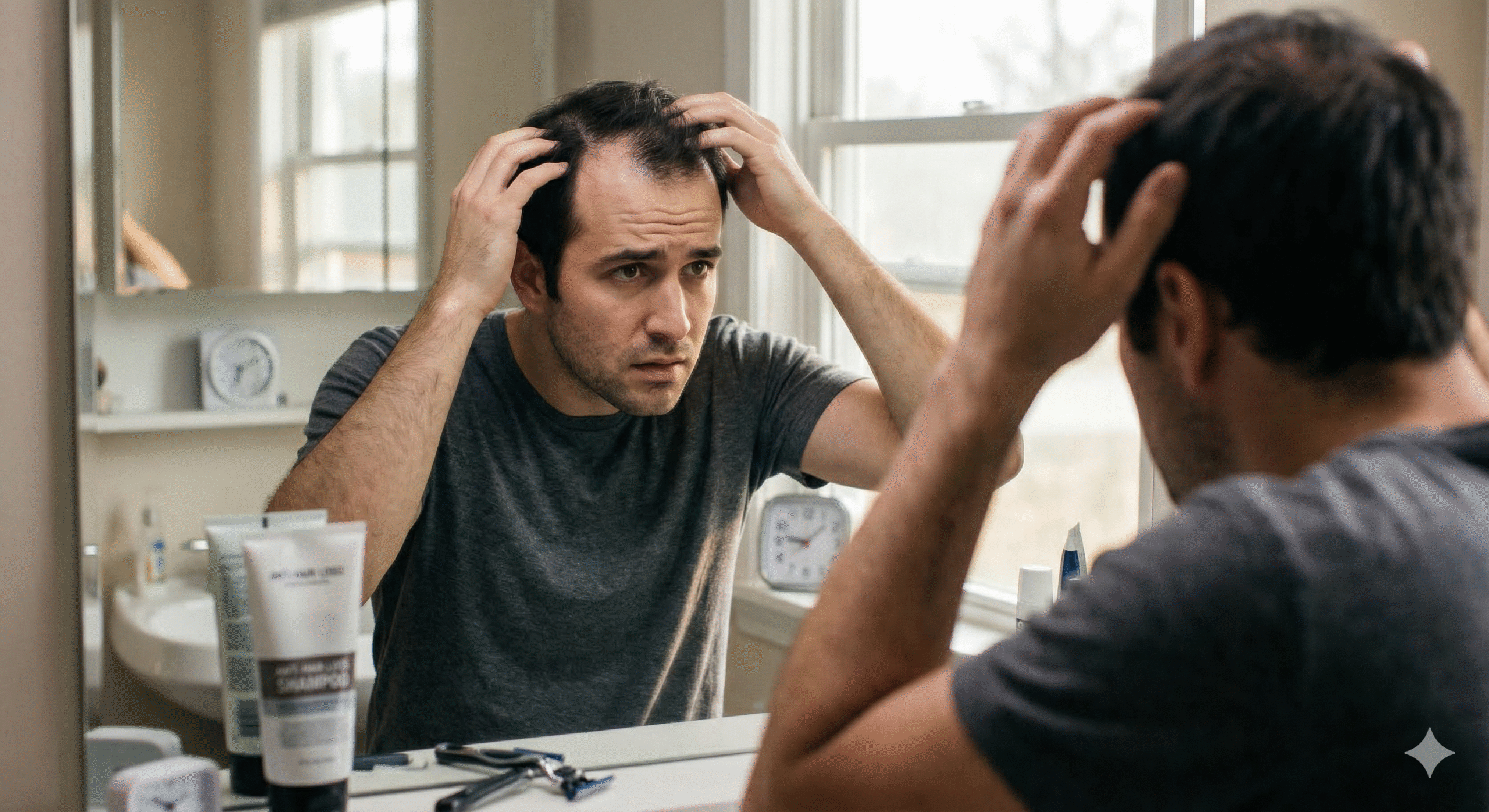
One of the most common questions people ask doctors when they notice thinning hair is simple but important: Will my hair grow back, or can hair loss be reversed? Hair loss affects not only appearance but also confidence, which is why many seek reliable answers as soon as they notice changes in their hairline or density.
Hair loss is a natural condition that can occur for various reasons. Factors such as genetics, hormonal changes, stress, nutritional deficiencies, medical conditions, and lifestyle habits can affect how hair follicles function. Often, hair loss occurs gradually as hair follicles produce progressively thinner hair.
Because the causes and progression of hair loss vary among individuals, the likelihood of reversing hair loss depends on several factors, including the type of hair loss, the stage at which it is detected, and the treatment approach employed. Experts often emphasise that recognising early signs of hair thinning and seeking prompt medical advice can significantly improve the chances of effectively managing hair loss.
Understanding how hair loss occurs, whether it can be reversed, and which medical treatments are effective can help individuals make better-informed decisions about maintaining their hair health.
Understanding Hair Loss
Hair loss involves excessive shedding or thinning of hair from the scalp beyond normal daily hair fall. It occurs when the balance between hair shedding and regrowth is disrupted, causing hair follicles to produce thinner hair or stop producing hair over time. Normally, losing 50-100 strands of hair each day is part of the natural hair growth cycle. However, when hair follicles weaken due to factors such as genetics, hormonal changes, nutritional deficiencies, stress, or certain medical conditions, the rate of hair shedding can increase, or hair regrowth can slow.
Hair loss can look different in men and women. Men often develop receding hairlines or thinning at the crown, usually linked to pattern hair loss. Women, on the other hand, typically notice overall thinning across the scalp or a wider part. Recognising these signs early can help identify the cause of hair loss and guide the selection of suitable treatment options.
Stages of Hair Loss
Different stages of hair loss require tailored treatment approaches. Your dermatologist will assess the degree of hair thinning, scalp condition, and follicle health before recommending a plan. In early stages, medical treatments can help slow hair loss and promote regrowth, while in more advanced stages, the focus may shift to preserving existing hair or exploring hair restoration options.
| Stage | What Happens | Common Signs | Treatment Possibility |
| Early Stage | Hair follicles weaken but remain active | Increased shedding, mild thinning | Medical treatments may support regrowth |
| Moderate Stage | Follicles begin to shrink | Visible thinning, receding hairline | Combination treatments may help maintain density |
| Advanced Stage | Follicles become inactive | Bald patches or significant thinning | Hair restoration procedures may be considered |
The Ultimate Question: Can Hair Loss Be Reversed?
For many people experiencing thinning hair, the main concern is whether their hair can regrow. The answer largely depends on the cause of hair loss and the health of the hair follicles.
In the early stages of hair loss, when hair follicles are still active but weakened, medical treatments may help slow down hair loss and support regrowth. Conditions caused by temporary triggers such as stress, illness, hormonal fluctuations, or nutritional deficiencies may also improve once the underlying issue is addressed.
However, when hair follicles become permanently inactive, reversing hair loss becomes more challenging. In such cases, treatments may aim to stabilise hair loss or improve hair density rather than reactivate inactive follicles.
This is why experts emphasise the importance of early evaluation and timely treatment. Identifying the stage of hair loss and understanding the underlying cause enables doctors to recommend the most suitable treatment approach for managing the condition.
How to Prevent Hair Loss from Progressing
While some types of hair loss are influenced by genetics and may not be entirely preventable, certain steps can help slow their progression and protect hair follicle health. Dermatologists often emphasise that early intervention is crucial for effective hair loss management.
Some habits that may help prevent hair loss from worsening include:
• Maintain a balanced diet rich in protein and essential nutrients
• Manage stress and maintain healthy sleep patterns
• Treat scalp conditions such as dandruff or inflammation early
• Avoid tight hairstyles, harsh chemicals, and excessive heat styling
Early recognition and prompt care can help stabilise hair loss and enhance the effectiveness of hair loss treatment.
Medical Treatments That Actually Work
Hair loss treatment varies based on the type and stage of hair loss. Dermatologists usually recommend evidence-based therapies to slow hair loss, improve follicle health, and promote hair regrowth.
In specialised hair restoration centres, treatment planning is usually personalised after evaluating the stage of hair loss, donor area quality, and scalp condition. Experienced hair restoration specialists often combine medical therapies with advanced procedures as needed to achieve natural, long-lasting results.
Topical Medications
Topical minoxidil is one of the most popular treatments for hair loss in both men and women. It helps stimulate hair follicles and lengthen the hair growth phase.
Oral Medications
For suitable patients, doctors can prescribe medications such as finasteride to help slow down pattern hair loss by targeting hormonal factors that influence hair follicles.
Advanced Hair Therapies
Several regenerative treatments are employed to stimulate weakened follicles and enhance scalp health. These may include
- PRP (Platelet-Rich Plasma),
- GFC (Growth Factor Concentrate), and
- LLLT (Low-Level Laser Therapy),
which aim to support follicle activity and promote healthier hair growth.
Hair Transplant Surgery
In cases where hair follicles have become permanently inactive, hair transplant surgery may be an option to restore hair density. The procedure involves relocating healthy follicles from the donor area to thinning or bald regions of the scalp.
At what stage should someone seek treatment for hair loss
According to dermatologists, each stage of hair loss needs a different treatment. That is why it’s important to seek medical evaluation as soon as you notice hair thinning.
- In the early stages, when hair follicles are still active, dermatologists typically recommend medical treatments that help reduce hair loss and promote regrowth.
- During moderate stages, a combination of therapies might be used to preserve existing hair and enhance hair health.
- In advanced stages, when some follicles become inactive, treatment may aim to restore hair density using hair restoration procedures.
Experts often emphasise that early diagnosis enables more treatment options, whereas delayed intervention might reduce the effectiveness of non-surgical therapies. If you experience persistent hair thinning or are unsure of your hair loss stage, consulting a qualified specialist can help identify the underlying cause and determine the most suitable treatment for your condition.
FAQs
Can hair loss grow back naturally?
Hair can grow back naturally when the cause is temporary, such as stress, illness, hormonal changes, or nutritional deficiencies. Once the trigger resolves, follicles may resume normal growth, although full density can take several months.
Can hair loss be reversed completely?
Hair loss can sometimes be reversed depending on its cause and stage. In the early stages, medical treatments may help stimulate weakened hair follicles and improve hair density. However, when follicles become permanently inactive, reversal may not be possible, and hair restoration procedures may be considered to restore hair in areas of thinning.
How do doctors diagnose the cause of hair loss?
Doctors typically diagnose hair loss through clinical examination, scalp analysis, and sometimes trichoscopy. These methods help evaluate follicle health, hair density, and thinning patterns to identify the underlying cause before recommending treatment.
What medical treatments actually work for hair loss?
Evidence-based treatments include topical minoxidil, oral finasteride for suitable patients, and, in some cases, low-dose oral minoxidil under medical supervision. Other options, such as PRP therapy and hair transplant surgery, may be recommended depending on the stage of hair loss.
How to stop hair fall immediately?
Hair fall usually cannot be stopped immediately because shedding follows the natural hair growth cycle. The most effective step is to identify the underlying cause and start appropriate treatment early to stabilise hair loss and support regrowth.




Leave a Reply